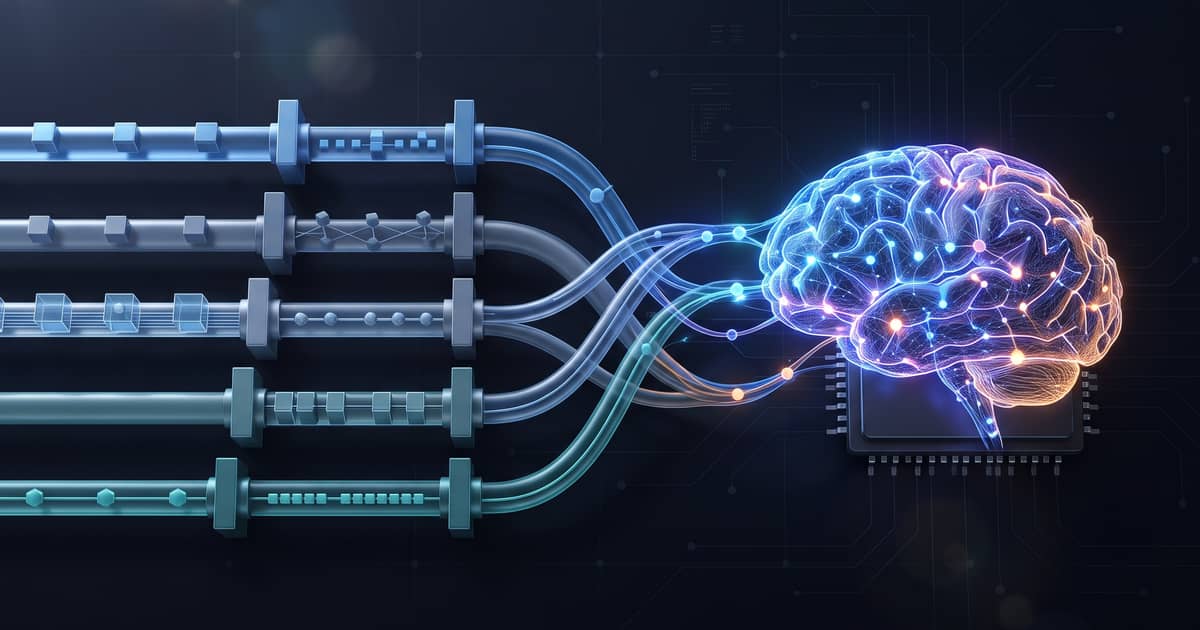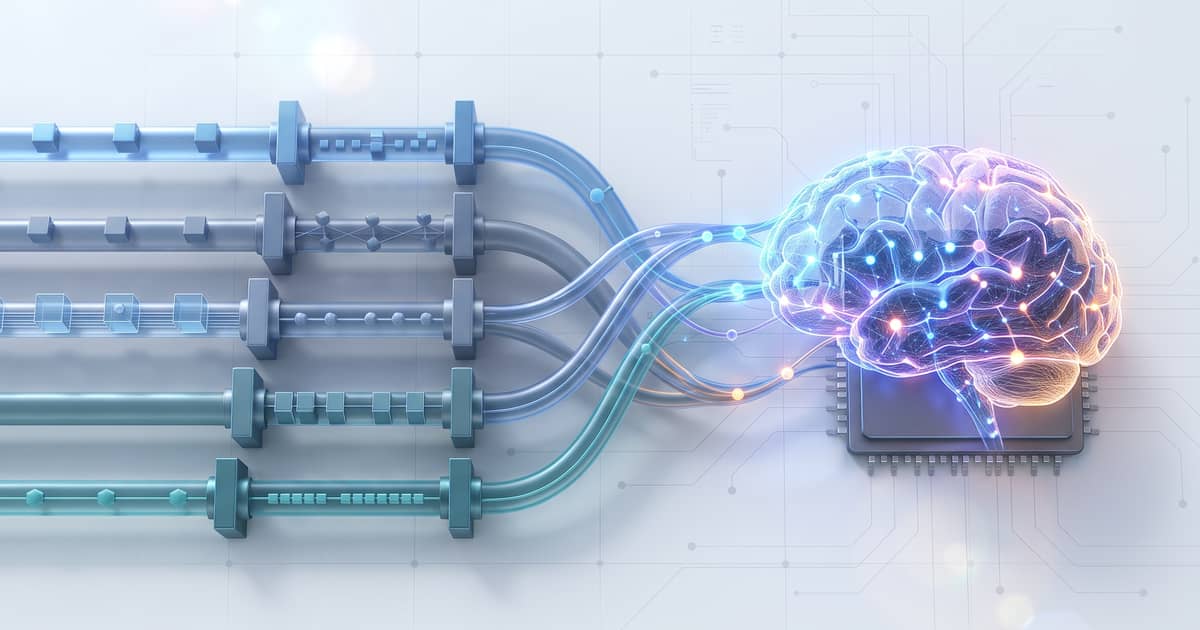


Zero-Server AI: Running LLMs and Vector Search Inside the Browser with WebGPU
Architecture guide for zero-server AI apps: WebGPU inference with WebLLM and Transformers.js, client-side vector search, OPFS caching, and Tauri fallbacks.
Zero-noise technical deep dives, production architectural blueprints, and release telemetry synthesized from open-source repositories.


Architecture guide for zero-server AI apps: WebGPU inference with WebLLM and Transformers.js, client-side vector search, OPFS caching, and Tauri fallbacks.


Architectural analysis of Alibaba open-code-review, Tencent LoopForge, and NVIDIA SkillEvaluator: hybrid pipelines, human approval gates, and CI/CD skill evals.


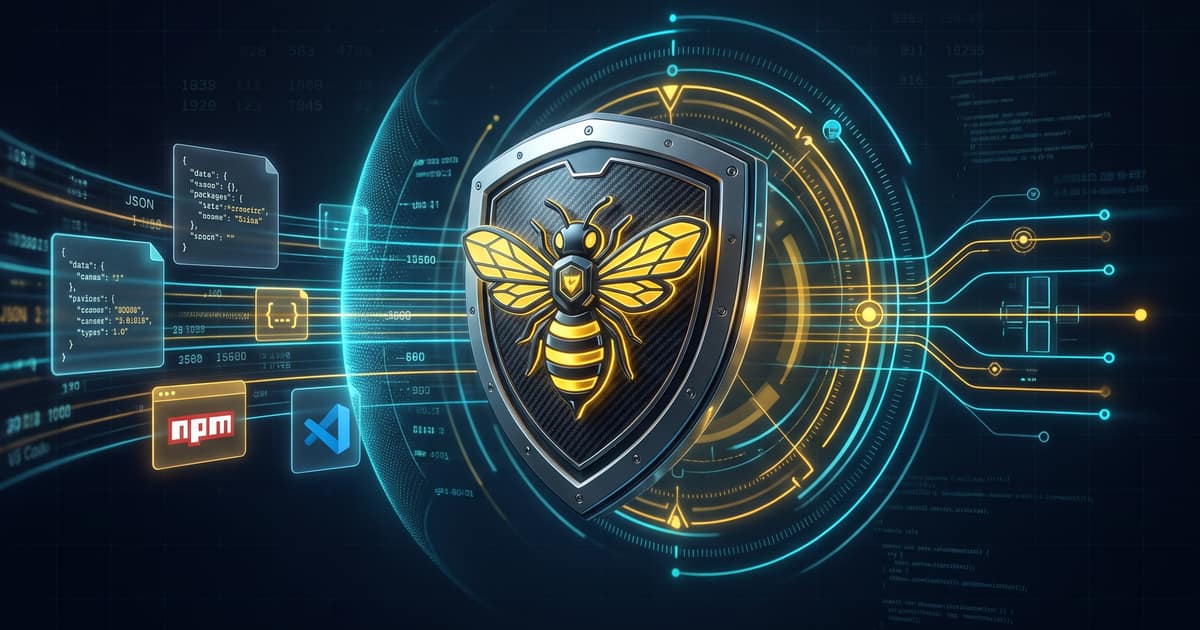
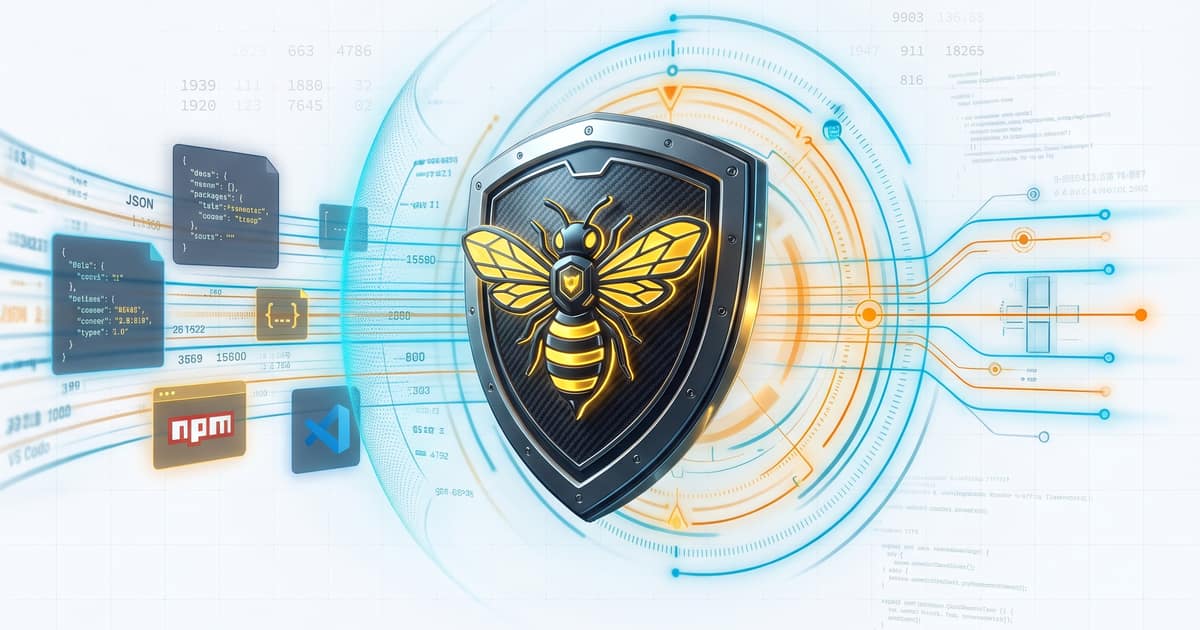
An architectural review of Bumblebee (perplexityai/bumblebee): zero-dependency Go binary, read-only scanning, and securing MCP against remote code execution.


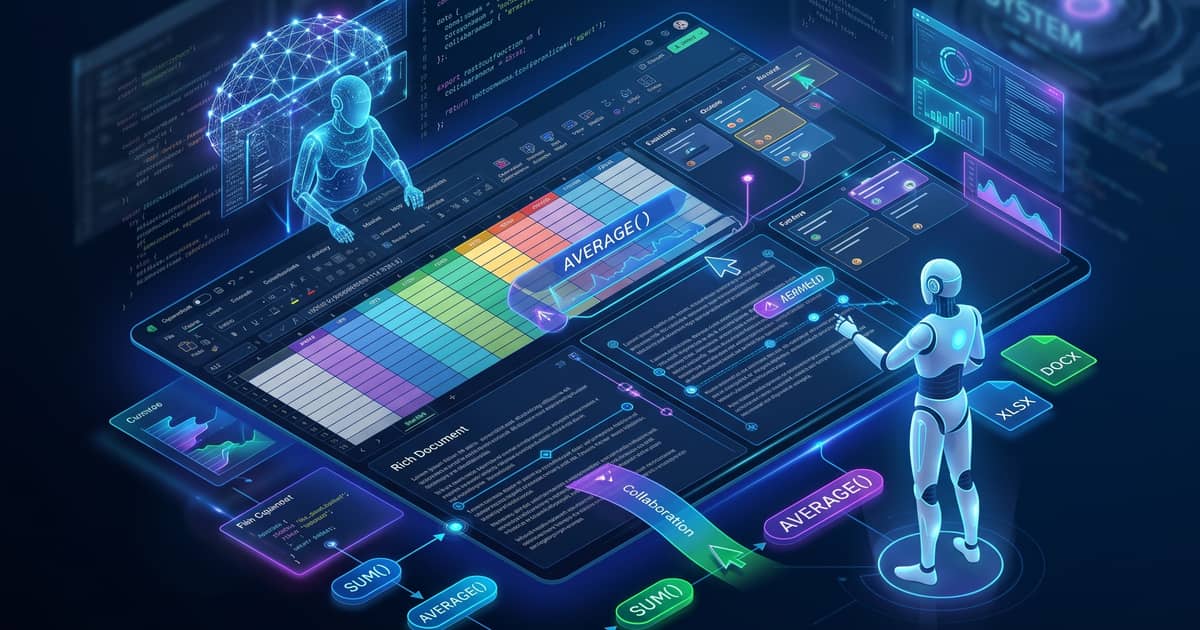
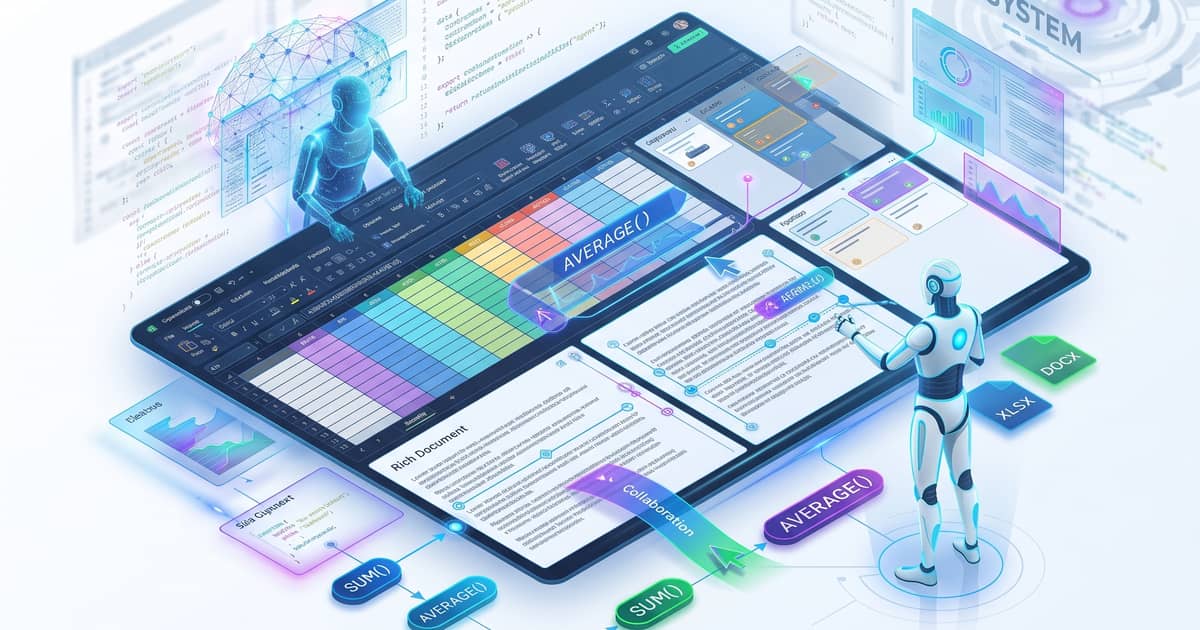
An architectural review of Univer (dream-num/univer): canvas-based rendering, modular client-side DI, mutation state pipelines, and headless AI agent integration.


Master the Zustand v5 release: React 19 concurrent integration, breaking changes, middleware syntax refactoring, and step-by-step migration patterns.


How production AI agents navigate modern web applications: solving DOM flooding, headless bot blocks, zombie Chromium processes, and session persistence.


Compare Mastra v0.50 and Pydantic AI v2.68 across type safety, workflow state machines, streaming, and production architecture in late 2026.


Explore how Model Context Protocol (MCP), browser-use v1.0.2rc1, and Trigger.dev v4.8.4 are turning experimental AI agents into secure, production infrastructure.